
PACIFIC WEATHERIZATION
Materials & Methods
Weatherization is not guesswork. It is a set of proven materials and methods that help your home hold onto the energy you already pay for. This page shows how each part works, where it goes, and why it matters.
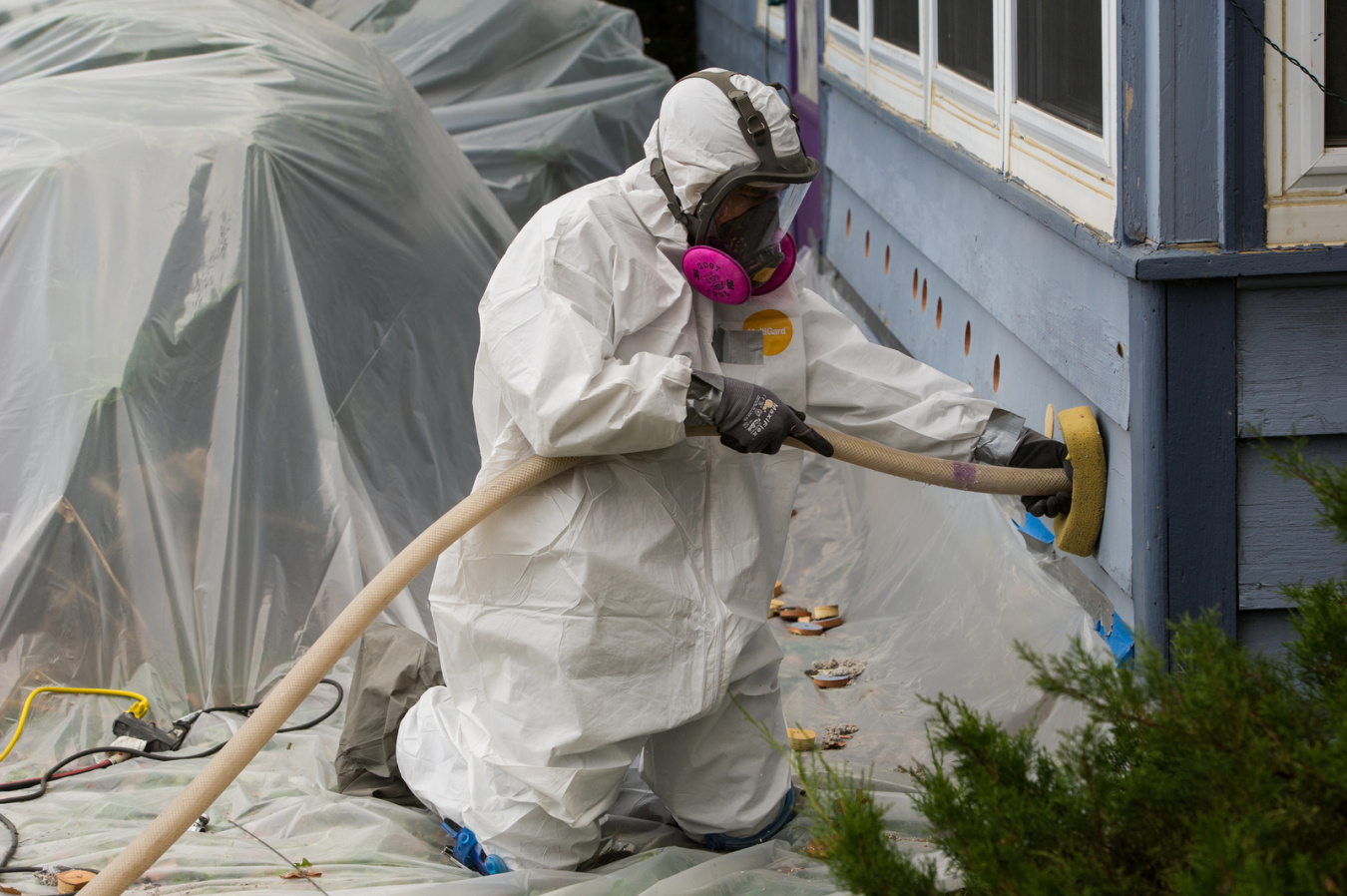
Photo courtesy of the U.S. Department of Energy
Materials for Existing Homes
These materials are used in retrofit work where cost, comfort, and building behavior matter most.
Blown-In Cellulose
Used in attics and walls for fire resistance, air control, and sound dampening.
Dense Pack Cellulose
Fills older wall cavities completely and reduces air movement.
Fiberglass Batts
Used only when wall framing is open and accessible during retrofits.
Rigid Foam Board
Used in crawlspaces and moisture-sensitive areas to create a thermal break.
Two Part Foam
Seals rim joists and air seals large surface areas. Used for major air leaks in older homes.
One Part Foam
Seals around windows and doors. Also seals mechanical, electrical, and plumbing penetrations.
Mastic
Seals duct systems so conditioned air stays inside the home.

Materials for New Builds and ADUs
These materials are used in new construction, ADUs, and major exterior upgrades where framing is open and accessible.
Fox Blocks ICF
Insulated concrete forms used in high‑performance, durable construction.
Benjamin Obdyke Rain Screen Systems
Drainage and ventilation layers installed behind siding to support wall drying.
Drainable WRBs & Ventilation Layers
Moisture‑managed exterior systems that reduce stress on framing.
Net & Blow Dense Pack
Installed behind mesh when walls are open.
Fiberglass Batts
Used when framing is open and accessible during new construction.

Methods We Use
These steps correct heat loss, air leakage, and moisture movement.

Rim Joist Sealing
Stops cold floors and major crawlspace leaks.

Penetration Sealing
Closes gaps around wiring, plumbing, and mechanical lines.

Top Plate Sealing
Reduces heat loss into the attic.

Open Chase Closure
Blocks major heat loss pathways and stabilizes temperatures.

Attic Hatch Weatherstripping
Prevents drafts from the attic access.
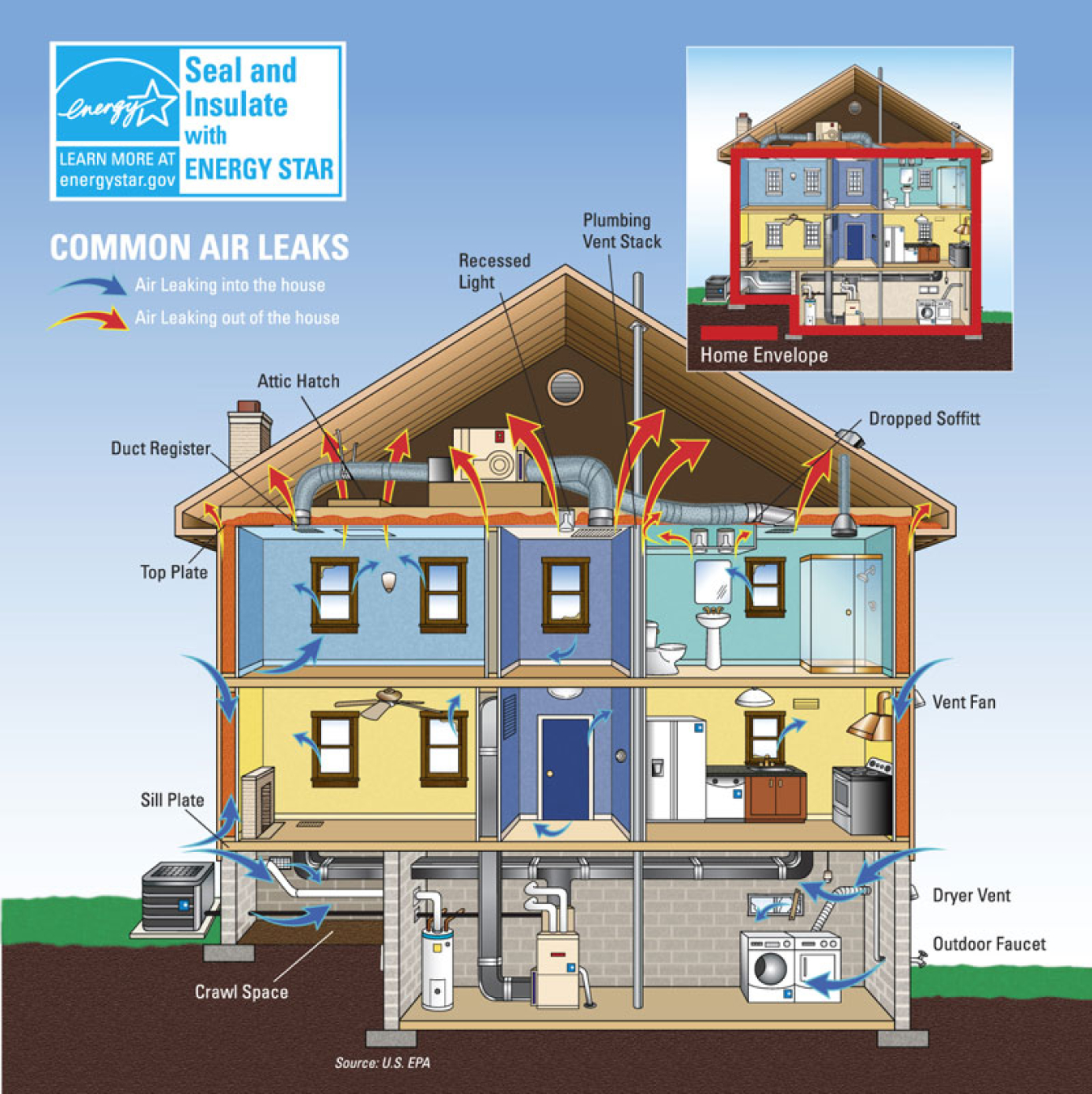
Source: ENERGY STAR / U.S. EPA
Building Science Principles
These principles guide every insulation and air sealing decision we make. They help your home hold heat, reduce drafts, and manage moisture correctly.

Heat Movement
Heat moves from warm to cold. Insulation slows this movement so your home holds heat longer.

Air Movement
Air moves through gaps and cracks. Air sealing stops this movement and reduces drafts.

Moisture Movement
Moisture moves through walls and siding. Drainage layers let walls dry instead of trapping moisture.

Climate Impact
Cold snaps, dry summers, clay soils, and wind exposure shape how homes behave in the Inland Northwest.

Whole Home Behavior
Insulation, air sealing, and moisture control work together. Fixing one without the others leads to partial results.
BUILDING SCIENCE
Credentials That Support Better Weatherization
Our work follows national building‑science standards used in BPI training and DOE Home Energy Score protocols. We employ certified assessors who evaluate heat loss, air movement, and whole‑home performance using nationally recognized methods.
These principles guide how we diagnose older Inland Northwest homes and how we choose materials that fit local climate, construction styles, and long‑term durability.

Compare Materials and Methods
This table shows where each material or method is used, why it matters, and what problems it solves in Inland Northwest homes.
| Material / Method | Where We Use It | Why It Matters | Best For |
|---|---|---|---|
| Blown-In Cellulose | Attics | Fire resistant, fills irregular spaces, reduces air movement | Cold rooms or thin attic insulation |
| Dense Pack Cellulose | Closed wall cavities | Fully fills older wall cavities and reduces air movement | Older homes with settled insulation |
| Fiberglass Batts | Walls (open framing) | Clean installation and consistent coverage | Additions or areas with exposed framing |
| Rigid Foam Board | Crawlspaces | Creates a thermal break and resists moisture | Moisture-sensitive areas |
| Fox Blocks ICF | New builds | High performance thermal and air control | ADUs and additions |
| Net & Blow Dense Pack | Walls (open framing) | Fully fills cavities behind mesh; not used in retrofit | New builds and exterior upgrades |
| Two Part Foam | Rim joists | Stops the largest air leaks | Cold floors and crawlspace drafts |
| One Part Foam | Penetrations and windows | Stops conditioned air from escaping | Draft control |
| Mastic | Duct systems | Prevents air loss into attics or crawlspaces | High energy bills |
| Top Plate Sealing | Attic framing | Reduces heat loss | Draft reduction |
| Open Chase Closure | Attics and walls | Blocks major heat loss pathways | Uneven temperatures |
| Attic Hatch Weatherstripping | Attic access | Prevents drafts | Cold hallways or upper floors |
PACIFIC WEATHERIZATION
Ready to Improve Comfort, Efficiency, and Home Performance?
Whether you’re addressing cold rooms, uneven temperatures, drafts, or planning long-term improvements, we’re here to help you understand your options and move forward confidently.